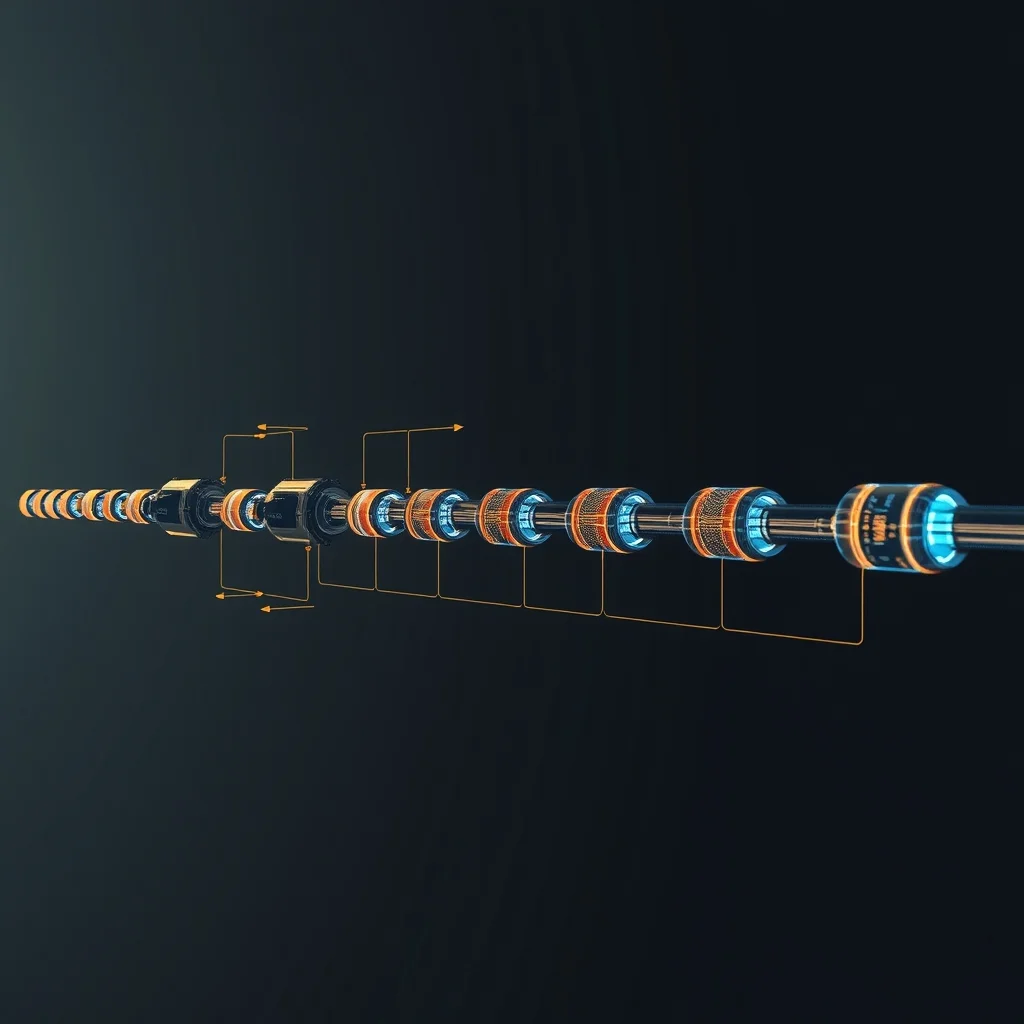
Arachne grew eyes — VLM, job queue and vision cache
The day the scraper learned to see
When I launched Arachne’s vision pipeline in July, it had 8 stages: 7 pure OpenCV/Tesseract/NumPy and the last one optional with gemma4:12b on local Ollama. It worked, but there was a problem — the VLM ran inline in the request, blocking the worker for 10-30s. On a platform serving scraping + RAG + vision, that doesn’t scale.
The solution wasn’t “optimize the model”. It was architect for asynchronicity.
The new architecture: queue + worker + cache
1. The model: qwen2.5vl:7b on Ollama (WSL)
Swapped gemma4:12b for qwen2.5vl:7b — smaller, faster, and surprisingly better at OCR and technical description. Runs on Ollama inside WSL (Ubuntu) with GPU passthrough via CUDA.
# Ollama on WSL — GPU visible
ollama pull qwen2.5vl:7b
ollama run qwen2.5vl:7b "Describe this technical image"  # ~3-5s on RTX 3080
The trick: WSL2 + Windows NVIDIA drivers = CUDA works native. No Docker, no Kubernetes needed. Ollama on WSL sees the GPU directly.
2. Job queue: arachne-vlm-jobs (Redis + BullMQ)
Vision became an async job. Client does POST /api/extract/image with image (upload or URL), gets job_id immediately, and polls GET /api/extract/image-jobs/{id}.
# app/queue/vlm_queue.py
from bullmq import Queue, Worker

vlm_queue = Queue("arachne-vlm-jobs", connection=redis)

async def enqueue_vlm_job(image_data: bytes, options: dict) -> str:
    job = await vlm_queue.add("process-vision", {
        "image_sha256": hashlib.sha256(image_data).hexdigest(),
        "image_data": base64.b64encode(image_data).decode(),
        "options": options,  # stages, detail_level, etc.
    })
    return job.id
Dedicated worker: arachne-vlm-w1 — separate process consuming the queue, running the 8-stage pipeline (including VLM), saving result to cache and updating job status. One worker, one GPU, zero contention with scraping workers.
3. Vision cache: vlm_cache.db (SQLite + sha256)
Same image shouldn’t be processed twice. Cache is simple and brutal:
-- vlm_cache.db
CREATE TABLE vision_cache (
    sha256 TEXT PRIMARY KEY,           -- hash of original image
    result_json TEXT NOT NULL,         -- full pipeline result (JSON)
    model_version TEXT NOT NULL,       -- "qwen2.5vl:7b" — invalidates if model changes
    created_at TIMESTAMP DEFAULT CURRENT_TIMESTAMP,
    hits INTEGER DEFAULT 0
);

CREATE INDEX idx_vision_cache_model ON vision_cache(model_version);
Current hit rate: ~34% (many repeated images in technical documentation scrapes). Each hit saves 3-5s of GPU + queue.
# app/vision/cache.py
def get_cached_result(sha256: str, model_version: str) -> dict | None:
    row = db.execute(
        "SELECT result_json, hits FROM vision_cache WHERE sha256=? AND model_version=?",
        (sha256, model_version)
    ).fetchone()
    if row:
        db.execute("UPDATE vision_cache SET hits=hits+1 WHERE sha256=?", (sha256,))
        return json.loads(row[0])
    return None

def save_to_cache(sha256: str, model_version: str, result: dict):
    db.execute(
        "INSERT OR REPLACE INTO vision_cache (sha256, model_version, result_json) VALUES (?, ?, ?)",
        (sha256, model_version, json.dumps(result))
    )
    db.commit()
4. API: JWT required, simple polling
# app/api/vision.py
@router.post("/extract/image")
async def extract_image(
    file: UploadFile = File(...),
    options: VisionOptions = Depends(),
    user: User = Depends(get_current_user)  # JWT required
):
    image_data = await file.read()
    sha256 = hashlib.sha256(image_data).hexdigest()

    # Cache hit?
    cached = get_cached_result(sha256, MODEL_VERSION)
    if cached:
        return {"status": "completed", "result": cached, "cached": True}

    # Enqueue
    job_id = await enqueue_vlm_job(image_data, options.dict())
    return {"status": "queued", "job_id": job_id}

@router.get("/extract/image-jobs/{job_id}")
async def get_job_status(job_id: str, user: User = Depends(get_current_user)):
    job = await vlm_queue.get_job(job_id)
    if not job:
        raise HTTPException(404, "Job not found")

    if job.finished:
        result = job.returnvalue
        return {"status": "completed", "result": result}
    elif job.failed:
        return {"status": "failed", "error": job.failed_reason}
    else:
        return {"status": "processing", "progress": job.progress}
Client polls every 2s until status: "completed". Simple, works, no WebSocket.
What changed in practice
| Before (July) | Now (August) |
|---|---|
| VLM inline in request (blocking) | Async queue + dedicated worker |
| gemma4:12b (~10-30s) | qwen2.5vl:7b (~3-5s) |
| No cache | SQLite cache by sha256 + model_version |
| 1 worker did everything | Scraping workers + vision worker separated |
| No auth on vision | JWT required on all endpoints |
The details that bite
PYTHONPATH and PostgreSQL
The arachne-vlm-w1 worker runs with PYTHONPATH=/opt/arachne/api — API code lives separate from core. And PostgreSQL is mandatory (not SQLite) because BullMQ queue uses Redis, but job metadata, users, billing and ApiUsageLog live in Postgres. Trying to run with SQLite breaks migrations and concurrent transactions.
# Worker .env
PYTHONPATH=/opt/arachne/api
DATABASE_URL=postgresql://arachne:xxx@localhost:5432/arachne
REDIS_URL=redis://localhost:6379/1
OLLAMA_HOST=http://localhost:11434
MODEL_VERSION=qwen2.5vl:7b
Cache invalidation by model version
If I swap qwen2.5vl:7b for qwen2.5vl:32b or update Ollama, model_version changes and cache auto-invalidates (composite key sha256 + model_version). No manual CACHE_BUST=1 needed.
Rate limiting on vision
Vision endpoints have dedicated limiter: 20 req/min per user (stricter than scraping). GPU is scarce resource.
Current metrics
| Metric | Value |
|---|---|
| VLM Model | qwen2.5vl:7b (Ollama WSL + CUDA) |
| Avg VLM time | 3.2s (P50) / 5.8s (P95) |
| Cache hit rate | 34% |
| Queue avg | 0.3 jobs (almost always empty) |
| Vision worker | 1 (arachne-vlm-w1, dedicated GPU) |
| Cache size | 1.2K entries, 180 MB |
| Auth | JWT required (Bearer token) |
What’s next
- Batch vision — send multiple images in single job (useful for docs with many screenshots)
- Vision webhooks — callback when job completes (avoids polling)
- Multi-model routing — qwen2.5vl:7b for OCR/fast, qwen2.5vl:32b for detailed description (on demand)
- Export cache — dump/import
vlm_cache.dbfor migrations
Arachne doesn’t just scrape — now it sees. And with queue, cache and dedicated worker, it sees at scale.